
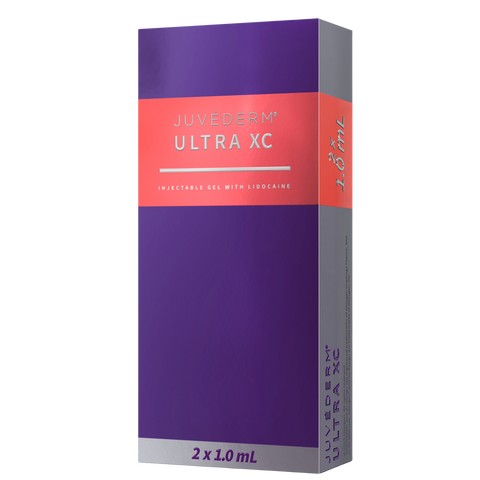
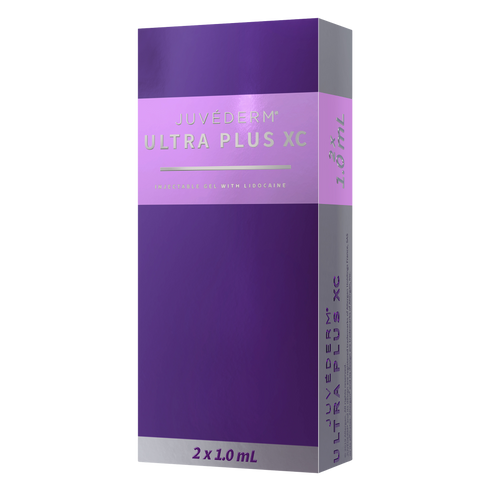
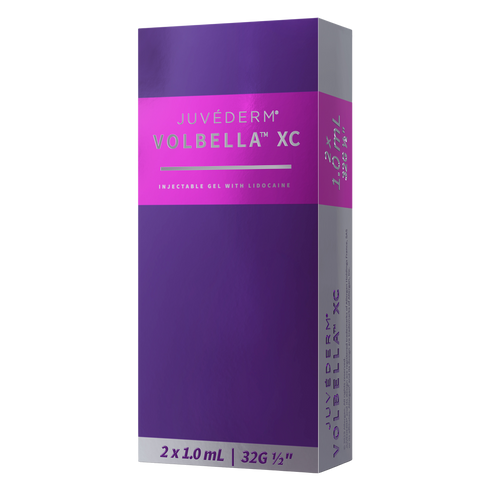
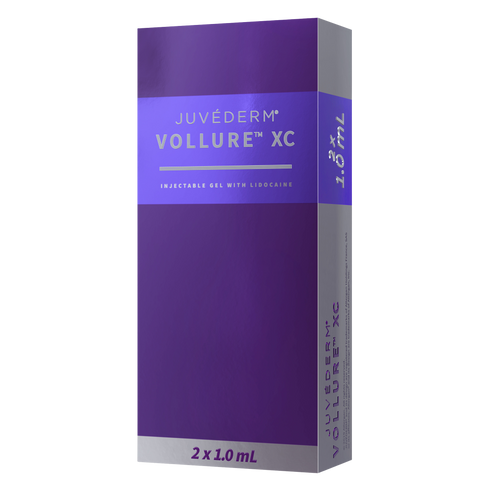
Filler
Starting At
Filler Services
Dermal fillers are injectable gels used to restore volume, refine facial contours, and improve overall facial balance. Treatment is individualized based on anatomy, clinical assessment, and desired outcome, with an emphasis on natural-appearing results and safety.
Treatment Areas
Filler may be used to address a range of aesthetic goals, including:
-
Lips – volume, hydration, definition, symmetry
-
Cheeks / Midface – contour support, lift, volume restoration
-
Chin – projection, shape refinement, profile balance
-
Jawline – definition and contour
-
Nasolabial folds – softening deeper creases
-
Marionette lines – support at the oral commissures
-
Perioral lines – smoothing fine lines around the mouth
What to Expect
Consultation and planning: We review goals, assess facial proportions, and determine an appropriate treatment plan (including product selection and volume).
Procedure time: Most appointments take 30–60 minutes.
Technique: Treatment involves a series of small, precise injections; a topical anesthetic may be used, and many HA fillers contain lidocaine for comfort.
Recovery: Minimal downtime is typical. Temporary swelling, tenderness, and bruising can occur.
Results: Changes may be visible immediately, with final appearance typically stabilizing as swelling resolves over several days.
Longevity: Duration varies by product, area treated, and individual metabolism; results commonly last several months to over a year.
Safety and Quality
We use authentic, medical-grade products obtained through authorized channels and follow evidence-informed injection techniques. Treatment is performed with attention to vascular anatomy and patient-specific risk factors.
Important Notes
Common temporary effects: swelling, bruising, redness, tenderness, firmness, or small localized bumps at injection sites (generally self-limited).
Not recommended for:
-
pregnancy or breastfeeding
-
active skin infection or inflammation near the treatment area (including active herpes labialis/cold sore outbreak)
-
known hypersensitivity to filler components (including HA or lidocaine, depending on the product)
-
uncontrolled bleeding disorders or certain anticoagulant regimens (case-by-case clinical assessment)